
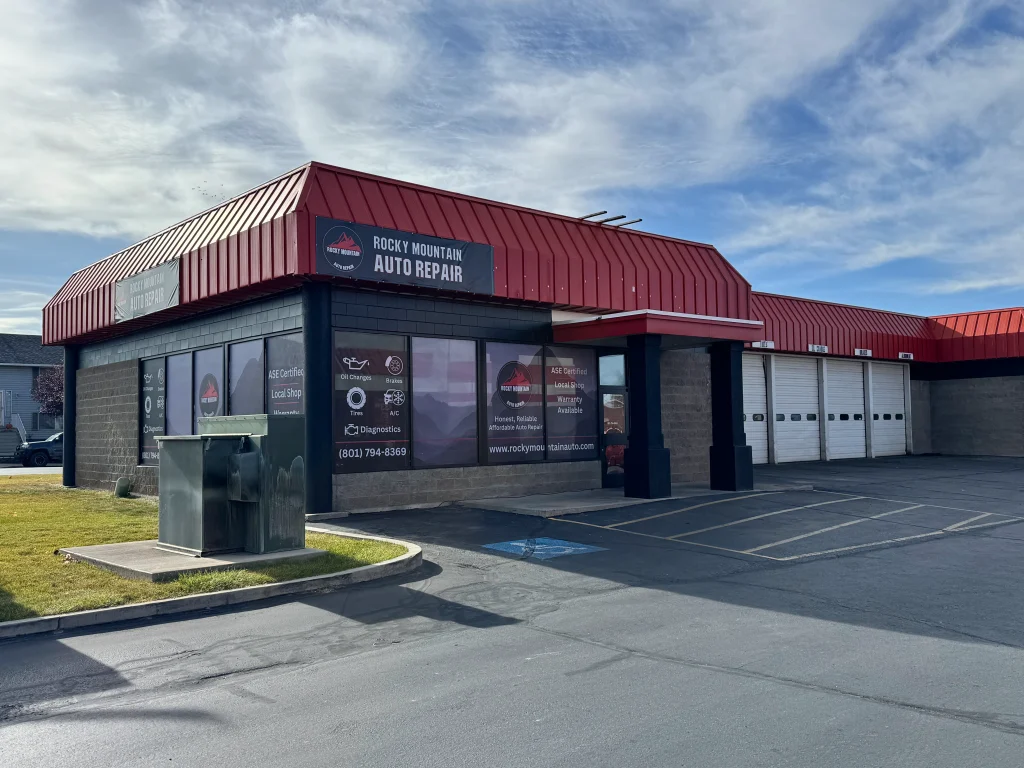
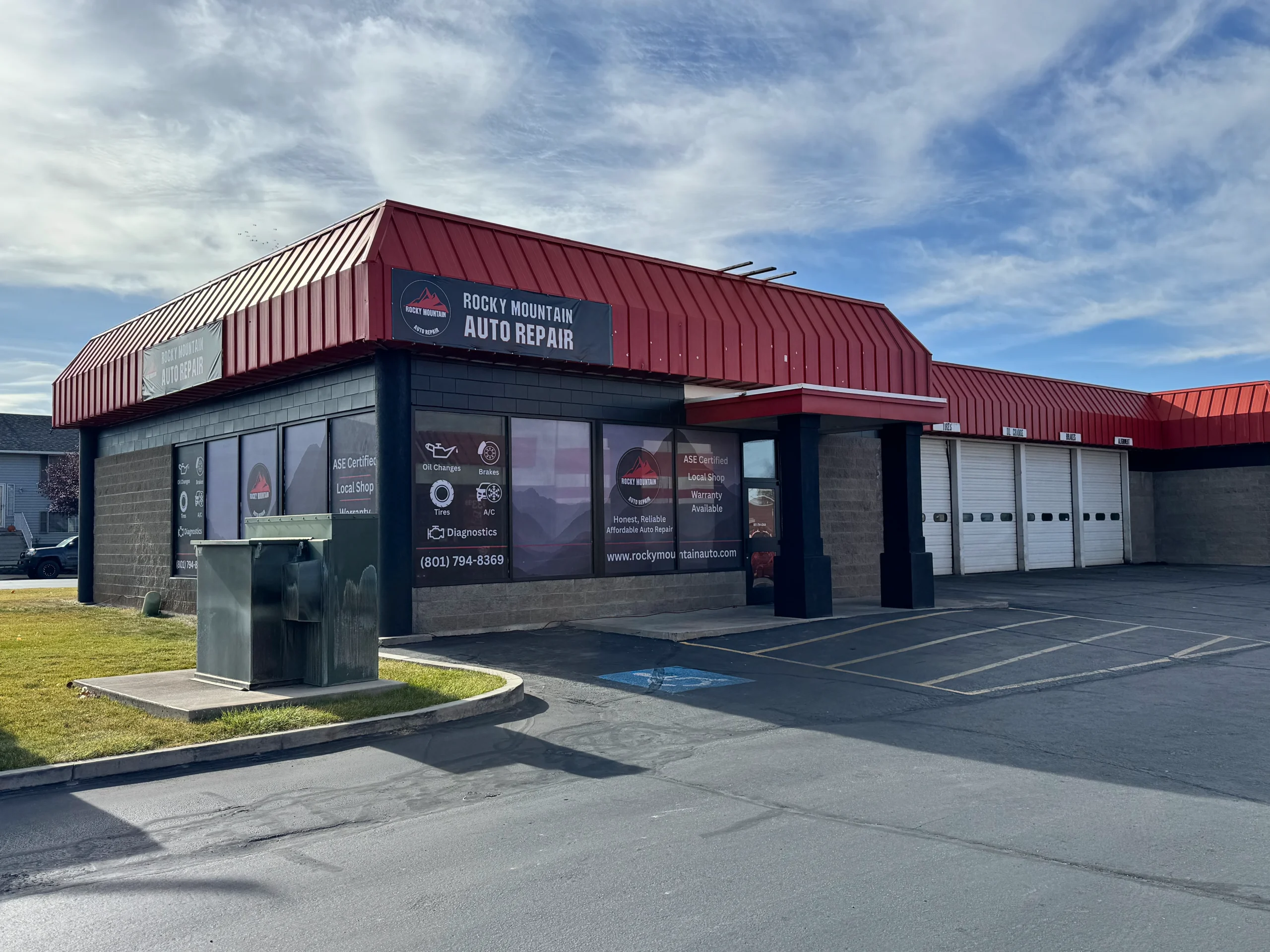
Brake Repair in Spanish Fork, Utah
Brake Repair

Brake System Services for Utah County Drivers
Understanding Your Vehicle’s Brake System Components
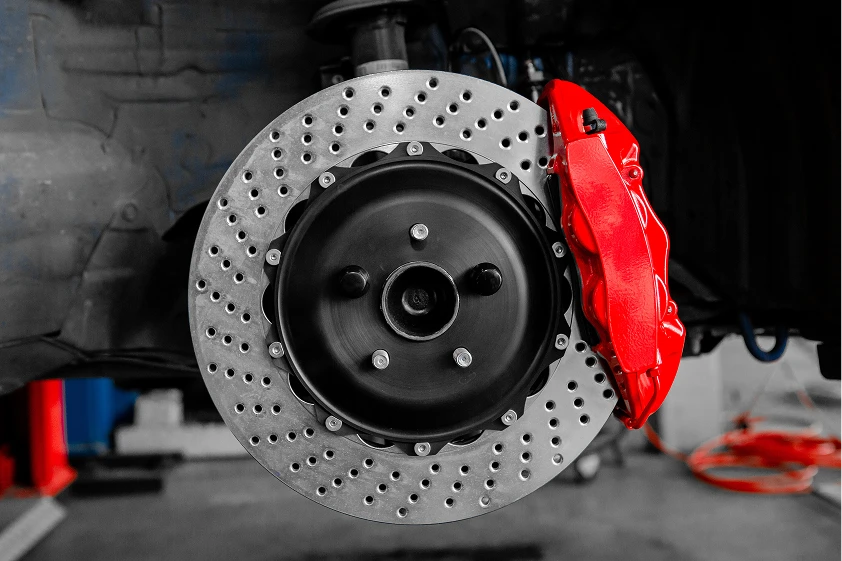
A car’s brake system consists of multiple interconnected components that work together to bring your car to a safe stop. At Rocky Mountain Auto & Diesel Repair – Spanish Fork, our certified technicians understand how brake pads create friction against brake rotors to slow your wheels, while brake calipers house the pistons that apply pressure to the pads. The master cylinder converts the force from your brake pedal into hydraulic pressure, sending brake fluid through brake lines to activate the calipers. Modern vehicles also incorporate ABS, which prevents wheel lockup during emergency braking. Some cars still use drum brakes on the rear wheels, which operate differently but serve the same essential function. When any of these components begin to fail, you need experienced brake repair professionals who can diagnose the issue accurately and restore your vehicle’s stopping power safely.
Warning Signs That Indicate You Need Brake Repair
Recognizing the early warning signs of brake problems can prevent minor issues from becoming significant safety hazards and costly repairs. If you hear squealing or grinding noise when braking, this typically indicates worn brake pads that need immediate attention before they damage your rotors. A brake pedal that feels spongy or soft often suggests air in the brake lines or low brake fluid levels, both of which compromise your stopping ability. When your vehicle pulls to one side during braking, it usually points to uneven brake pad wear or a stuck caliper, which requires professional diagnosis. Vibration in the steering wheel when braking commonly indicates warped brake rotors that need resurfacing or replacement. Dashboard warning lights should never be ignored, as they alert you to potential ABS malfunctions or brake fluid issues. Additionally, if you notice your stopping distance has increased, this signals that your brake system isn’t operating at peak efficiency and needs immediate professional attention at our Spanish Fork location.
Comprehensive Brake Services at Our Spanish Fork Location
Rocky Mountain Auto & Diesel Repair – Spanish Fork provides complete brake repair and maintenance services using state-of-the-art diagnostic equipment and quality replacement parts. Our brake fluid flush service removes contaminated fluid that can cause internal corrosion and brake system failure. In contrast, our caliper replacement service addresses seized or leaking calipers that compromise braking performance. We perform thorough ABS diagnostics using computerized equipment to identify electronic issues that affect your vehicle’s anti-lock braking capabilities. Our wheel bearing inspection and replacement service ensures proper wheel rotation and prevents premature brake component wear. We also provide emergency brake adjustment to maintain your parking brake’s effectiveness and safety. Located at 721 N 800 E, Spanish Fork, UT 84660 in Spanish Fork, Utah, our facility is equipped to handle brake repair for all vehicle makes and models. You can reach our experienced team at (801) 794-8369 to schedule your brake inspection or discuss any concerns about your vehicle’s braking performance during our convenient m-f: 7:30am – 5:00PM.
services
SERVICES WE OFFER










Frequently Asked Questions About Brake Repair
your questions answered
Brake pad replacement intervals vary based on driving habits and conditions, but most pads last between 25,000 and 70,000 miles, with regular inspection recommended every 12,000 miles.
Brake rotors typically warp due to excessive heat from hard braking, uneven brake pad wear, or improper installation, resulting in steering wheel vibration during braking.
You should have your brake system inspected immediately when warning lights appear, as they indicate potential safety issues that could lead to brake failure.
Brake fluid should be changed every two years or when it appears dark or contaminated, as old fluid absorbs moisture and reduces braking effectiveness.
Brake service includes routine maintenance, such as fluid changes and inspections. In contrast, brake repair addresses specific problems with worn or damaged brake components.