
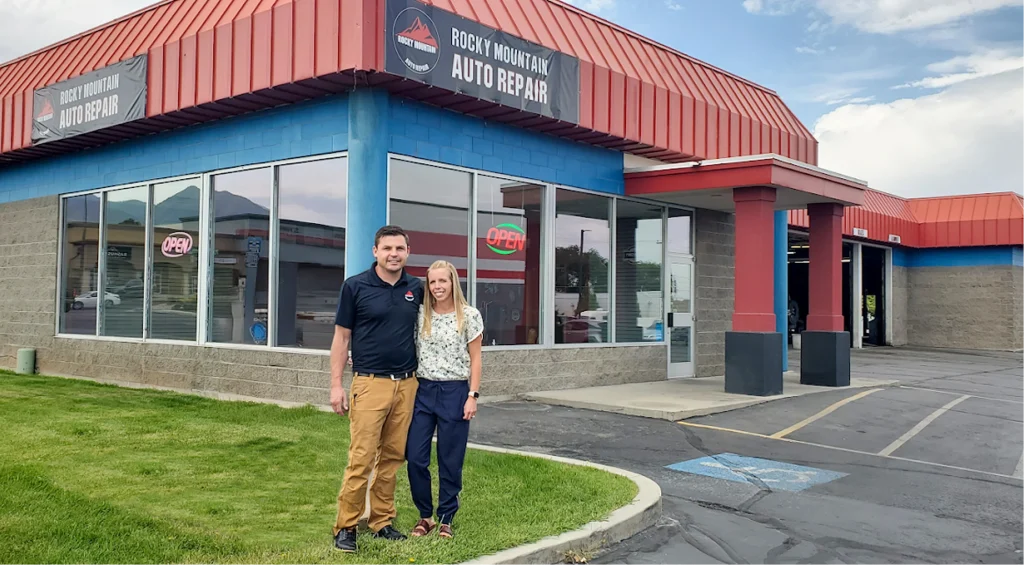
Suspension Repair in Spanish Fork, Utah
Suspension Repair
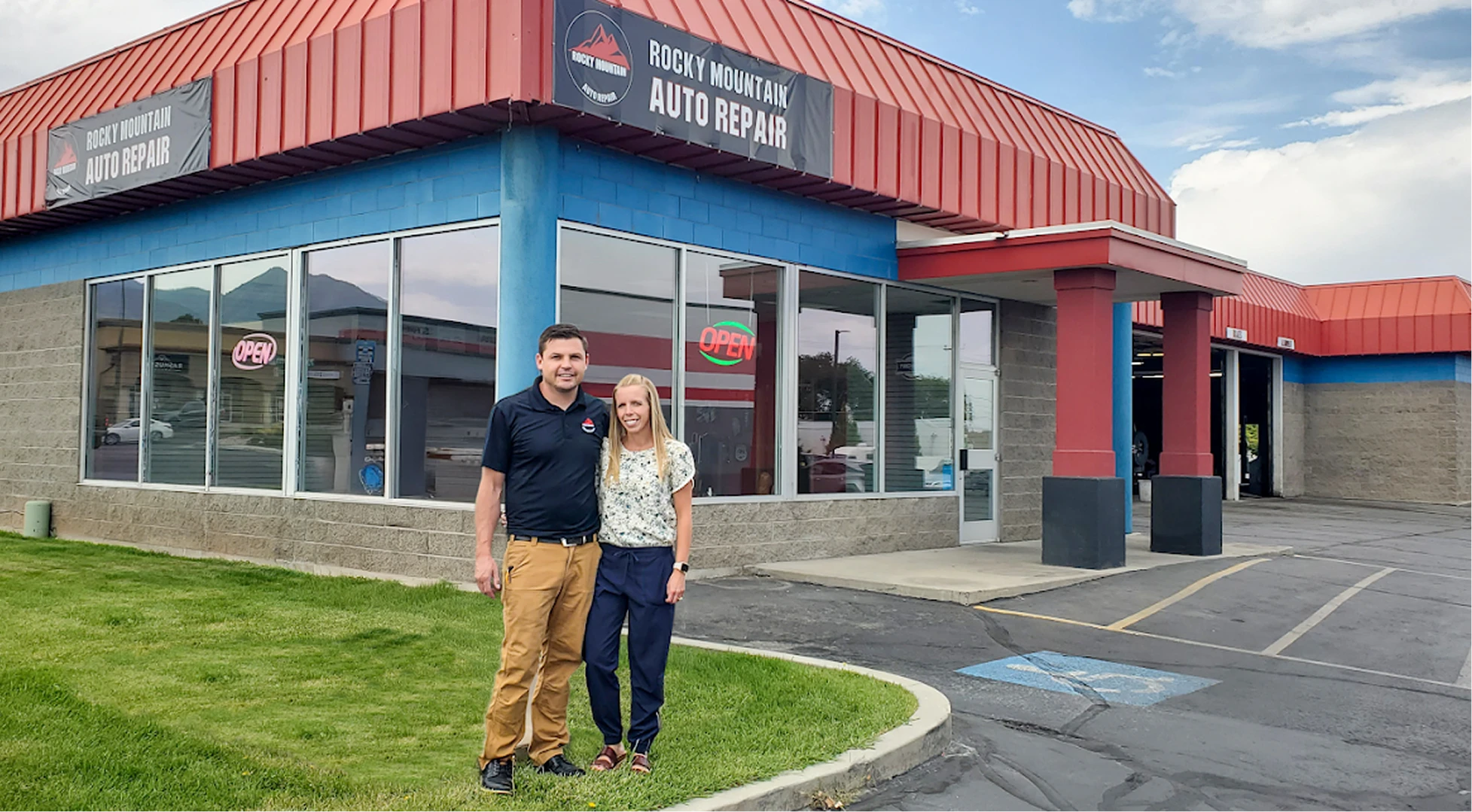


Trained Suspension System Diagnostics and Repair
Understanding Your Vehicle’s Suspension Components
Your vehicle’s suspension system is a complex network of interconnected components that provides a smooth, controlled ride while maintaining tire contact with the road surface. At Rocky Mountain Auto & Diesel Repair – Spanish Fork, our ASE-certified technicians understand how shocks, struts, control arms, and ball joints work together to absorb road impacts and maintain vehicle stability. The suspension system includes critical components like tie rods that connect your steering system to the wheels, sway bar links that reduce body roll during cornering, and various bushings that cushion metal-to-metal contact between moving parts. Coil springs support your vehicle’s weight and work with shocks or struts to control bounce and rebound. When any of these components begin to wear or fail, you’ll notice changes in how your vehicle handles, and addressing these issues promptly prevents more extensive damage to other suspension components.
Recognizing Signs Your Suspension Needs a Pro
A rough or bouncy ride often signals the first stage of suspension wear, typically indicating that your shocks or struts are no longer effectively dampening road impacts. You might notice your vehicle pulling to one side during everyday driving, which can indicate worn control arms, ball joints, or alignment issues caused by suspension component failure. Uneven tire wear patterns provide valuable diagnostic information about suspension problems, as worn components allow irregular tire contact with the road surface. Knocking or clunking noises when driving over bumps or turning corners often indicate worn bushings, ball joints, or sway bar links that need immediate attention. Nose-diving during braking occurs when front struts or shocks can no longer control the vehicle’s weight transfer, creating safety concerns and reduced braking effectiveness. Excessive body roll when turning corners suggests worn sway bar links or bushings that compromise your vehicle’s stability and handling characteristics.
Comprehensive Suspension Repair Services at Our Spanish Fork Location
Our suspension repair services at 721 N 800 E, Spanish Fork, UT 84660 begin with computerized diagnostic testing to identify worn or damaged components before they cause secondary damage to your vehicle. We perform thorough front-end inspections that evaluate all suspension components, including detailed assessments of control arm bushings, ball joint wear, and tie rod end condition. Our technicians utilize specialized equipment to test shock and strut performance, measuring dampening characteristics, and identifying internal component failure. We provide bushing replacement services using high-quality materials that restore proper component alignment and eliminate noise-causing metal-to-metal contact. Coil spring replacement addresses sagging or broken springs that affect ride height and handling characteristics. Our wheel alignment service ensures proper suspension geometry after component replacement. In contrast, tire balancing and rotation services help maximize tire life and identify suspension-related wear patterns. Contact us at (801) 794-8369 to schedule your suspension system evaluation during our m-f: 7:30am – 5:00PM.

services
SERVICES WE OFFER









Frequently Asked Questions About Suspension Repair
your questions answered
Signs include excessive bouncing after hitting bumps, nose diving during braking, uneven tire wear, and fluid leaks around the shock or strut body.
Normal wear occurs over time due to constant movement and road impacts. However, harsh driving conditions, potholes, and poor maintenance can accelerate component deterioration.
Driving with severely worn suspension components compromises safety, reduces braking effectiveness, and can cause additional damage to other vehicle systems, including tires and steering components.
We recommend checking the suspension system during regular maintenance intervals or whenever you notice changes in ride quality or handling, or when you hear unusual noises from the suspension area.
Properly functioning suspension components help maintain optimal tire contact with the road, which can improve fuel efficiency by reducing rolling resistance and ensuring proper wheel alignment.